
What a Ventura Resident Lookup Can Confirm
One record rarely tells the whole story. A Ventura resident lookup might need identity, ownership, registration, a life event, custody status, affiliation, or a historical connection, and each goal points to a different source. The table keeps each record's purpose visible.
| Record | What it can confirm | Ventura route | Access boundary |
|---|---|---|---|
| Property or tax record | Named owner, parcel, situs, assessment clue | Ventura County Assessor and GIS | Ownership is not occupancy; owner display follows lawful rules |
| Voter status | Authenticated registration match and election geography | California My Voter Status | Not a public reverse-address list; voter file has approved-purpose rules |
| Court index | Party name, case number, type, procedural trail | Ventura Superior Court | Online result is unofficial; sensitive files may be courthouse-only |
| Jail, prison, or federal locator | Current custody or official custody record | Ventura Sheriff, CDCR, BOP | Custody does not prove guilt or give a complete history |
| Vital record | Birth, death, marriage, or dissolution connection | Ventura County or CDPH | Authorized and informational copies differ; sealed material stays restricted |
| Business filing | Entity, agent, address, officer or manager affiliation | California SOS bizfile | Search result is not a certified ownership record |
| Professional license | License number, status, issue or expiration, discipline | California DCA or issuing board | Public address rules differ by board |
| Adoption contact route | Consent-based contact or nonidentifying background | California CDSS | Not an open name index; consent or court process controls |
| Yearbook or local-history item | School-era name, image, organization, or event | Ventura College, County Library, Museum | Historical clue, not a current address |
Every record has limits. A Ventura parcel owner may not live there, a business agent may not own the company, and a court party may not be the person you meant. Keep the question matched to the record type.
Ventura Resident Court Fields
Ventura Superior Court's Case Inquiry page splits its searches by case type. Civil, Probate and Small Claims, Family Law, and Criminal and Traffic each get their own database. Criminal searches take a first and last name or a case number. Traffic needs a citation number. The public page notes that the civil, probate, and small-claims Public Access portal requires an account. Anything not posted online stays with the Records Department.
| Search area | Field | Required rule | Coverage note |
|---|---|---|---|
| Criminal | First Name and Last Name | Both for party search | DOB and driver-license search keys were removed June 21, 2021 |
| Criminal | Case Number | Alternative to name pair | Use when a document or prior notice supplies it |
| Traffic | Citation Number | Required | Name-only traffic search is not the stated route |
| Family Law | Separate database | Live field set not exposed | Cases entered from September 1, 1991, plus some earlier active cases |
| Civil, Probate, Small Claims | Account-gated public access | Account required | Exact post-login fields were not captured |
The Ventura Case Inquiry routing page is the official starting point, but its online result is never the official court record. Hall of Justice Records can search older material, and the clerk's VN266 form spells out case categories, document choices, delivery options, and fees.
The official Ventura Public Access portal shows its account-gated access notice on the sign-in page.
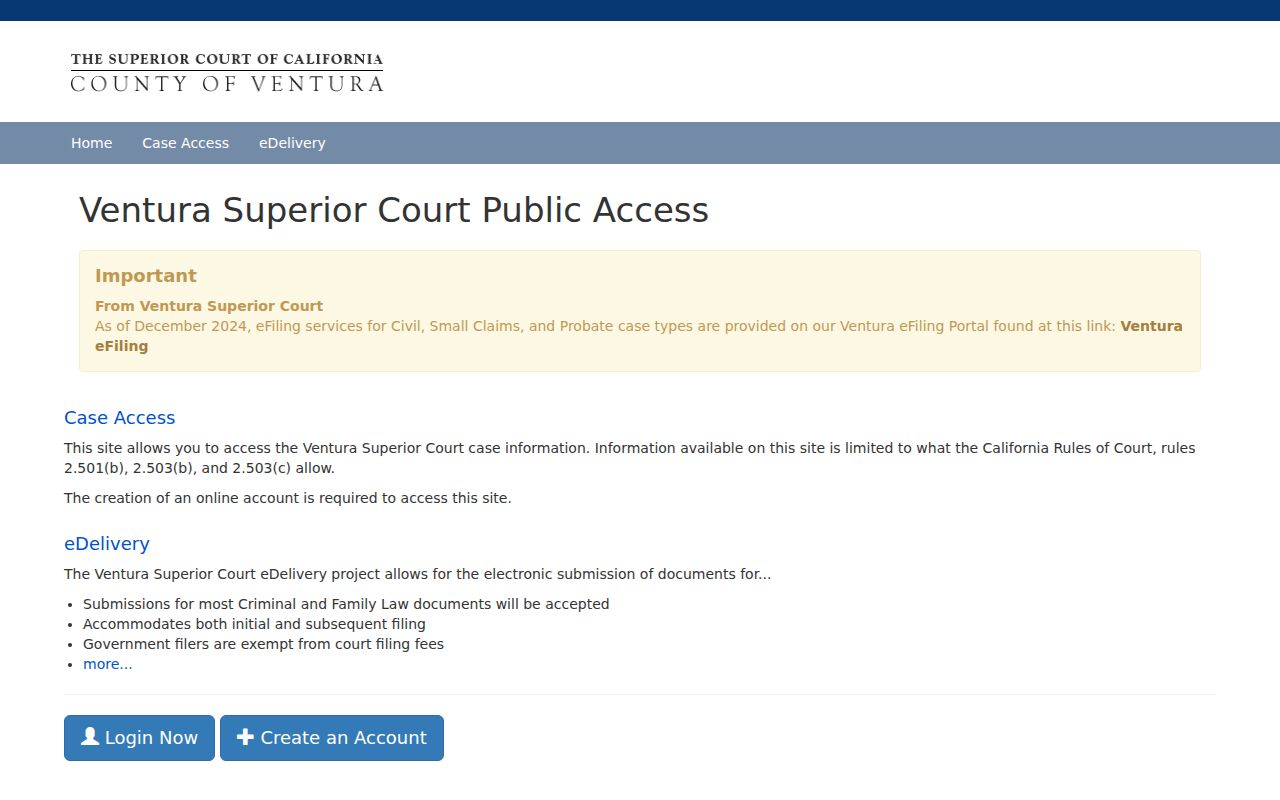
That account gate is a signal. When the online case screen lacks context, the clerk is the better route. Family Law search has its own boundary and cannot serve as a general county name index.
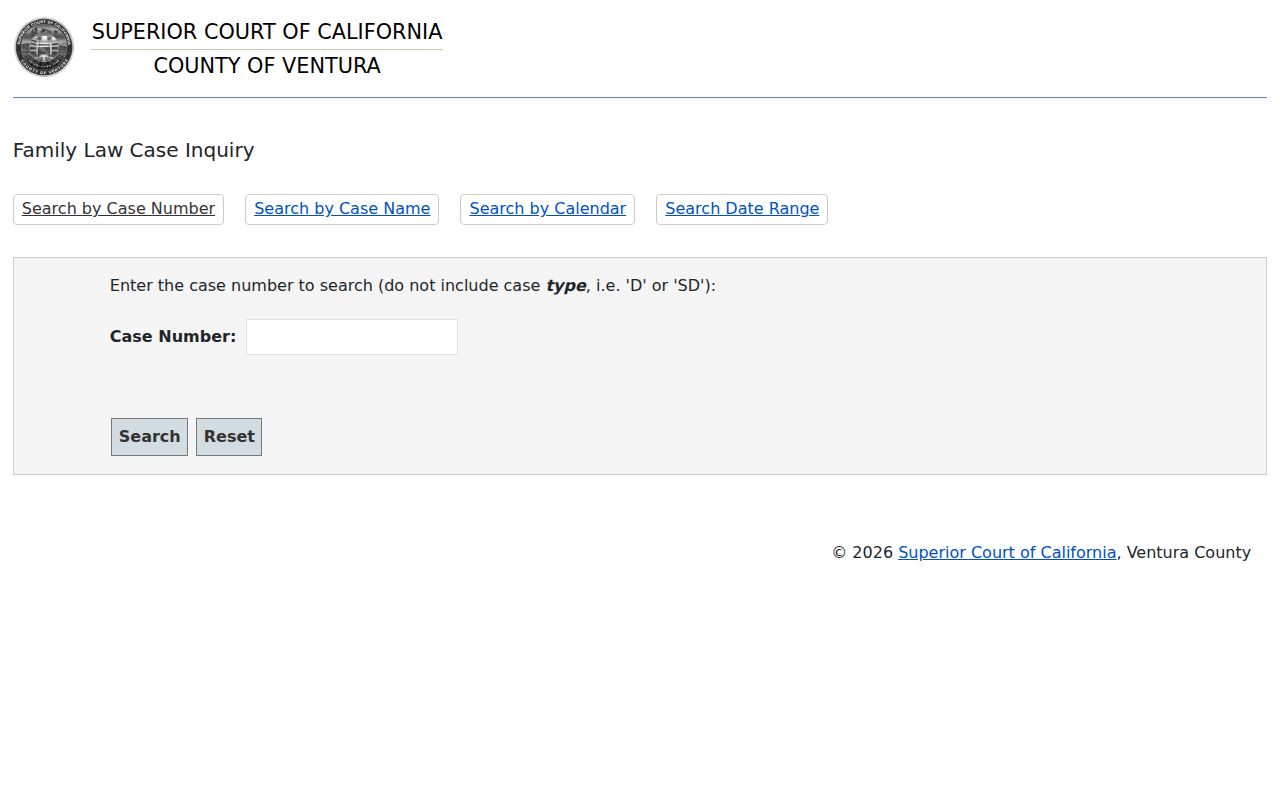
Sensitive files stay close to home. Family, juvenile, guardianship, and conservatorship material may require courthouse access or legal entitlement.
Ventura Records Department sits at Hall of Justice, Room 218, 800 S. Victoria Avenue, Ventura; its listed phone is 805-289-8668. Records hours are weekdays, 8 a.m. to 4 p.m. The clerk can pull up to five cases per transaction. Copies from file, microfiche, or microfilm cost $0.50 per page. Fees follow a statewide schedule. A search after ten minutes costs $15, and certification costs $40. The VN266 court-record request form covers certified and noncertified documents, view-only review, mail, and limited email delivery.
A public index can expose a case title, nonconfidential party names, case number, category, calendar date, event time, department, and docket events where remote access permits, along with restrictions or redactions. A screen is not a certified copy. Linked documents can be courthouse-only.
| Result field | Case title or caption, nonconfidential party names, case number, case category, calendar date, event time, department, and permitted register-of-actions events. |
|---|---|
| Missing by rule | Sealed material, protected identifiers, and sensitive underlying files that California Rule of Court 2.503 keeps from general remote display. |
| Official status | The online Ventura result is an index or register lead; the clerk supplies certification. |
Ventura Resident Lookup Same-Name Trap
Ventura's public criminal search dropped two strong disambiguators after the Hamrick decision. Date of birth is gone. So is the driver-license number. What remains are First Name, Last Name, and case-number paths. A same-name hit is easy to misread. Treat any result as a lead rather than a conclusion. Compare middle initials and former or married names. Check filing dates, city clues, parcel records, business filings, and roles before tying a case to the person in mind.
Dates work well as exclusions. A license issue date can prove a candidate cannot be the intended person. So can an entity formation date, property transfer, court filing, age range, or school year. A negative result should read "not in this online coverage." Clerk searches reach back farther than some online databases. Confidential or off-site files may never display.
Right-person rule. Require two independent anchors, such as a case party plus an entity address, or an APN owner plus a recorded document. A matching name alone is not identity proof.
How to Verify One Ventura Resident
A defensible resident lookup moves from a name to a role, then from the role to a source record. A property, business, or professional record often separates two people cleanly. Reach for a court index or custody locator only when the question calls for it. Get the certified copy when a match truly matters. A screen capture is not evidence. Order it from the custodian.
- Write the full name, variants, middle initial, suffix, approximate age, and known Ventura connection without collapsing different spellings.
- Choose the least sensitive source that can answer the question, such as an entity filing, license, parcel, or local-history item.
- Compare two independent anchors: address, date, role, document number, case number, organization, or school year.
- Read the record label correctly. Grantor, grantee, plaintiff, respondent, agent, licensee, owner, and householder are not interchangeable.
- Request the official or certified copy when the index lacks the needed detail, and use the custodian's correction process for an error.
- Write a careful negative result that names the source and coverage tested rather than claiming that no record exists anywhere.
- Docket
- The chronological register of filings and events in a court case.
- Index
- A finding aid with names or case details that may point to a source document.
- Image
- The scanned or photographed document page, which supplies context beyond an index line.
- Certified copy
- A copy the custodian certifies as matching the official record, often for a formal use.
Shift to the Ventura street directory when the question becomes an address or the properties around it. Historical shelves help when a name needs past-household context.
Ventura Resident Vital Copies
Ventura County works with two vital-records routes: CDPH Vital Records serves the state, and the Ventura County Clerk-Recorder handles local birth, death, and marriage events. No fixed year makes a certificate public in California. Authorized certified copies establish identity for a statutory class. They generally need a notarized sworn statement when ordered by mail. Informational copies cannot establish identity, and that limit prints on the face of the copy.
CDPH holds California births from July 1905 forward. Its public-marriage series covers 1905 to 1999 and again 2008 to 2023. State fees change on January 1, 2026. Birth copies will cost $31, death $26, marriage $19, and dissolution certificates $18. A failed search keeps the search fee and returns a Certificate of No Public Record. Older events need other shelves. For a pre-1905 Ventura event, use county registers, church records, newspapers, cemetery custodians, and library or Museum collections.
An informational death copy can carry cause of death. Signatures and the Social Security number stay redacted. A divorce certificate is not the Superior Court file. That file holds pleadings, orders, custody details, and the judgment under court access rules. The separation keeps a family-history result from being overstated as a complete legal record.
Ventura Resident Custody Results
Custody lookups for Ventura split by system. The Ventura County Sheriff inmate search takes a first and last name, an optional middle name and DOB, or a booking number. It shows current county-jail information only. That is not a full criminal history. CDCR's CIRIS searches state custody by name or CDCR number, and results can show age, current location, admission date, commitment county, and a parole-eligible month and year. The federal BOP locator covers federal records from 1982 forward. Exact spelling matters there, the agency warns.
California Megan's Law starts behind an acknowledgement screen. Name and geographic modes are offered. Public profiles vary by posting category, some addresses drop to city or ZIP, and some registrants are never posted. Mistaken identity is possible. Penal Code section 290.46 places use limits around safety and misuse. This resource is no general Ventura resident lookup and should not be used to build a personal list.
The Ventura County Sheriff inmate search, CDCR CIRIS locator, and Federal BOP locator show separate custody systems with their own coverage.
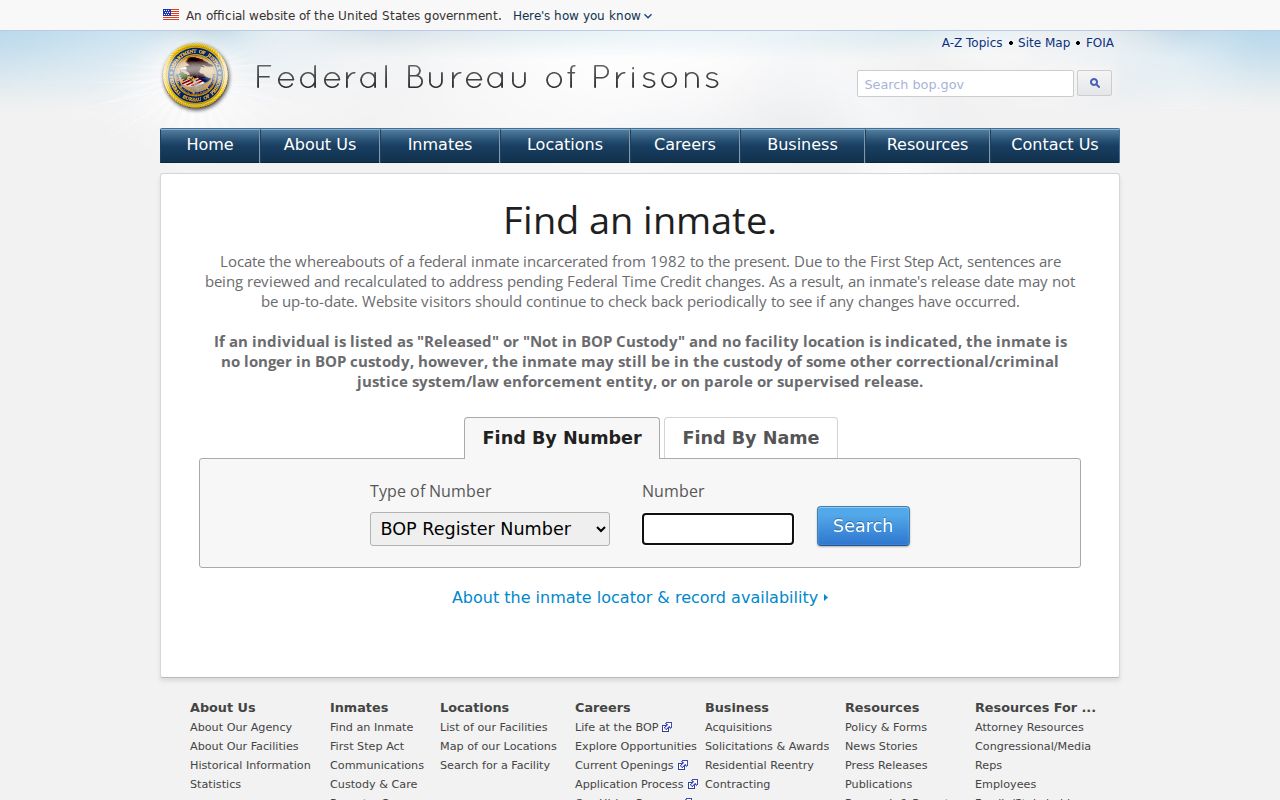
A federal locator hit can mean pretrial custody. It can also flag a material-witness hold, civil contempt, or a full sentence. Status gets overstated fast. The California Megan's Law disclaimer sets out disclosure and lawful-use limits before any search begins.
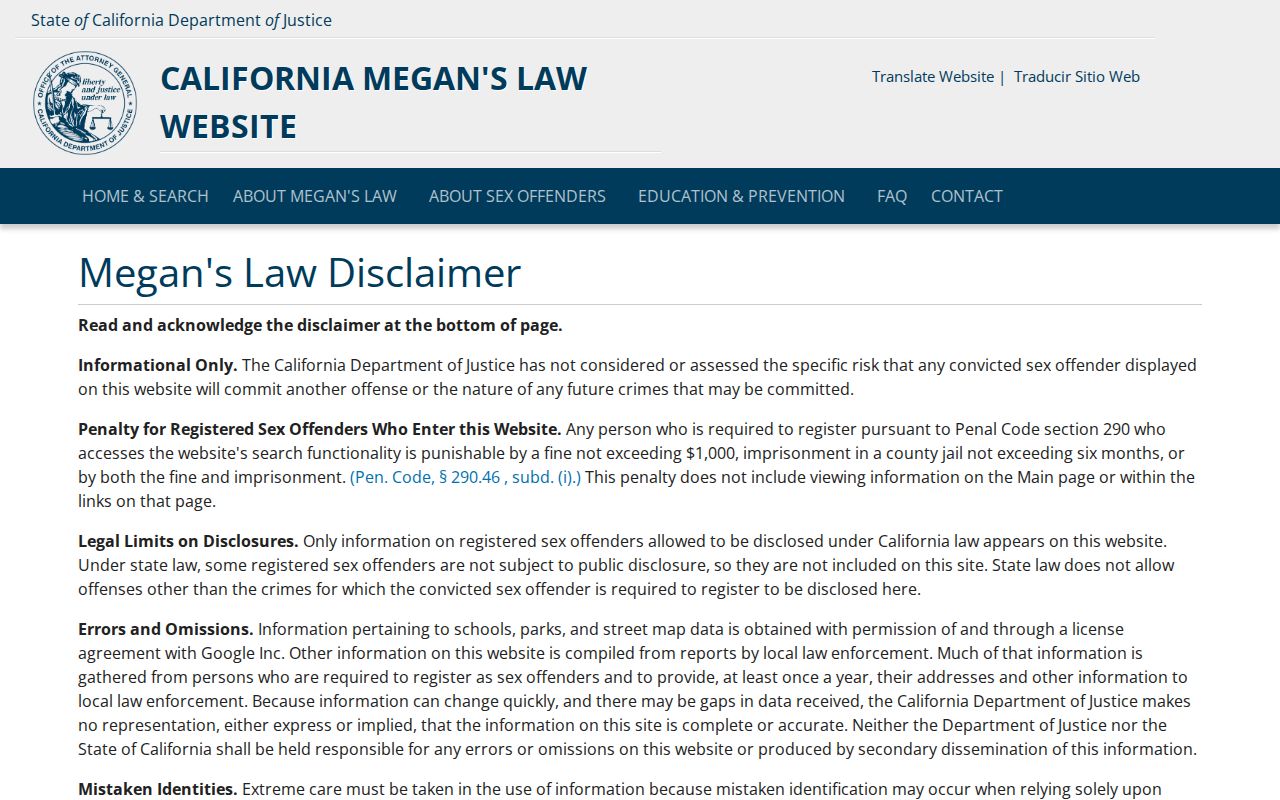
Read the disclaimer first. Then verify identity with official context rather than trusting a name, age, or address alone.
Ventura Resident Business Connections
Business filings widen a Ventura residents directory search. The California SOS bizfile covers corporations, LLCs, LPs, nonprofits, and similar entity types by name or file number. Basic search returns the closest 500 matches. Advanced mode refines by entity group, status, and initial filing date. Public fields can include entity name and number, formation date, standing, jurisdiction, street and mailing addresses, agent, officer or manager names, and a Statement of Information due date. Recent filings download free. The display is not certified, and sole proprietorships never register there.
The DCA advanced search filters by board, license type, number, business name, first and last name, city, county, status, public action, and document. Ventura's Business License page offers a listing mode and an individual status mode. Use the entity or license number to separate a real match from a similar name. An agent for service of process accepts legal papers. That person may hold no ownership interest at all.
A name in a business filing is an affiliation clue. It is not proof of a private residence.
Ventura Resident Family Connections
Family questions call for different custodians. Ventura probate records can identify a petition, order, personal representative, or heir role. Juvenile and protected probate material faces tighter access. The Ventura College Foundation's yearbook archive helps recognize a former classmate through school-era photographs from several decades. It is a reconnecting aid, not an alumni address roll.
Birth relatives have a formal route. California CDSS Post Permanency Services offers consent and confidential-intermediary paths for adoptees, birth parents, and siblings. Forms include consent and confidentiality waivers. An original birth certificate takes a Superior Court petition showing good and compelling cause. These processes respect the people whose records are involved. An open name search never replaces consent.
The historical shelf matters too. A Museum or County Library catalog item can tie a name to a family, organization, obituary, or photograph. No current address gets exposed. For an old household rather than a current identity, turn to the Ventura city directory collections.
Legal Limits on a Ventura Resident Lookup
The CPRA opens many doors in California, but not every one. Voter identifiers sit behind their own confidentiality rules. So do DMV residence data and protected vital records. The same goes for sealed court files, juvenile matters, confidential adoptions, and Safe at Home addresses. A request should describe an existing record clearly. It should also name the actual custodian of it. No agency has to build a new list for you. Nor can a request pry open a field the law keeps closed.
Safe at Home serves eligible people facing specified threats. It gives them a substitute mailing address plus confidential voter registration. Even so, a property legal description can still expose a location in some cases. Commercial profile sites, meanwhile, often stitch together stale or conflated data about Ventura residents. They should never outrank the government source behind them. An official record can be wrong. Correct it with the custodian first. Then pursue the proper privacy or deletion route with downstream businesses.
Lawful personal use. A Ventura resident lookup is appropriate for family history, lawful record review, estate research, civic questions, or consent-based reconnection. Do not use a name, address, court, custody, or voter result to stalk, harass, intimidate, impersonate, or harm anyone.